
Growth Is Loud. Stewardship Is Quiet.
Why the work that lasts is rarely optimized for speed.
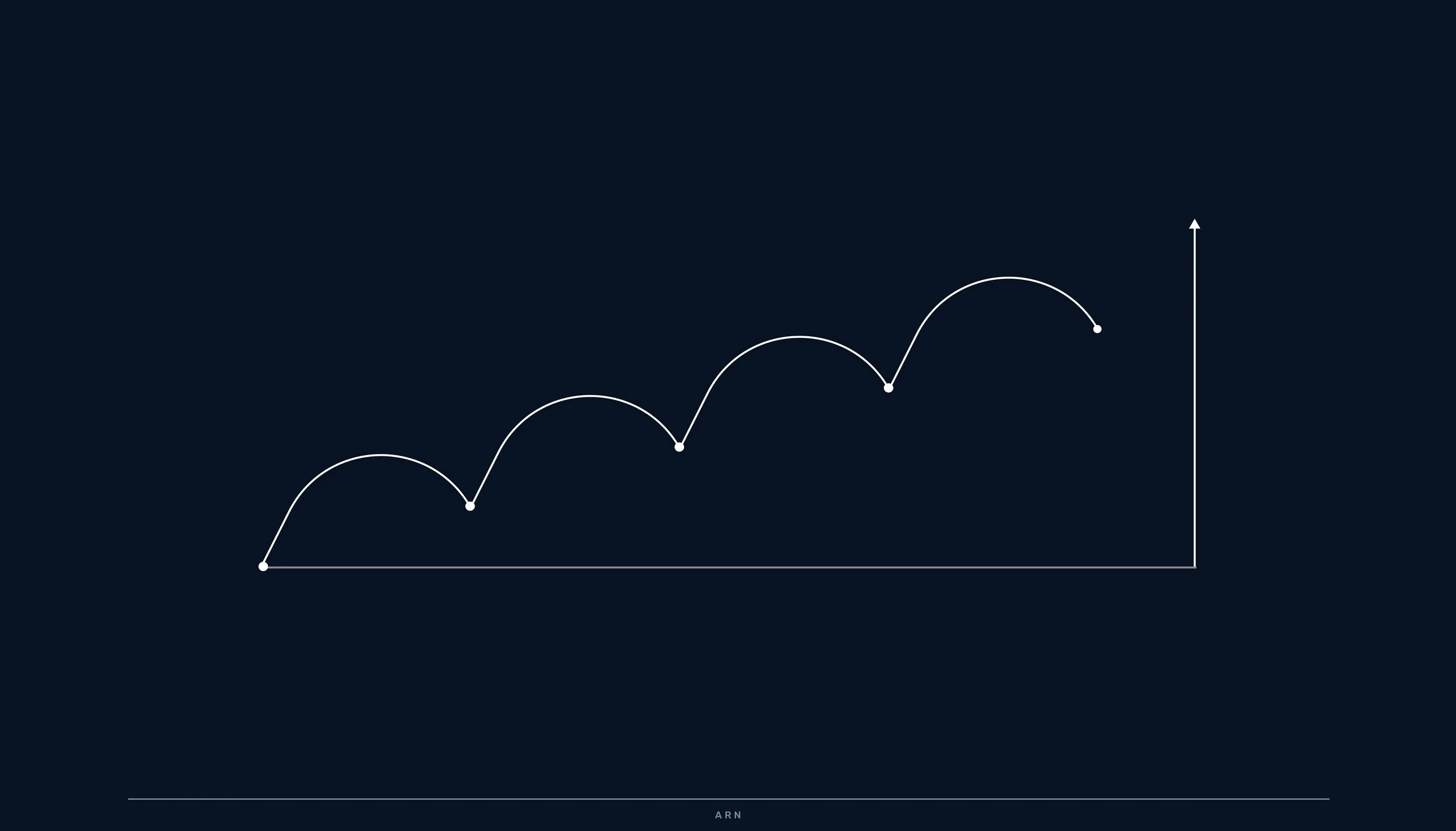
Growth is easy to talk about.
It shows up in charts, percentages, campaign spikes, and quarterly updates. It rewards momentum and visibility. It creates the feeling that something is happening.
But growth alone does not tell you whether the work will hold.
Over time, I’ve learned to separate two very different forces that often get confused: growth and stewardship.
Growth is about acceleration.
Stewardship is about continuity.
Growth asks, How fast can this move?
Stewardship asks, What needs to stay intact as it moves?
The tension most teams underestimate
In many projects, the early focus is understandably on traction. Launch the site. Push the campaign. Increase reach. Capture demand.
That phase matters. I’ve planned, executed, and measured those efforts myself.
But what happens after the initial lift is where most systems quietly fail.
Content accumulates.
Structures loosen.
Decisions compound.
Ownership blurs.
Without care, what once felt clear becomes fragile.
Stewardship is the work of noticing that drift early and correcting it before it becomes structural.
It is not about resisting change.
It is about guiding change without losing coherence.
What stewardship looks like in practice
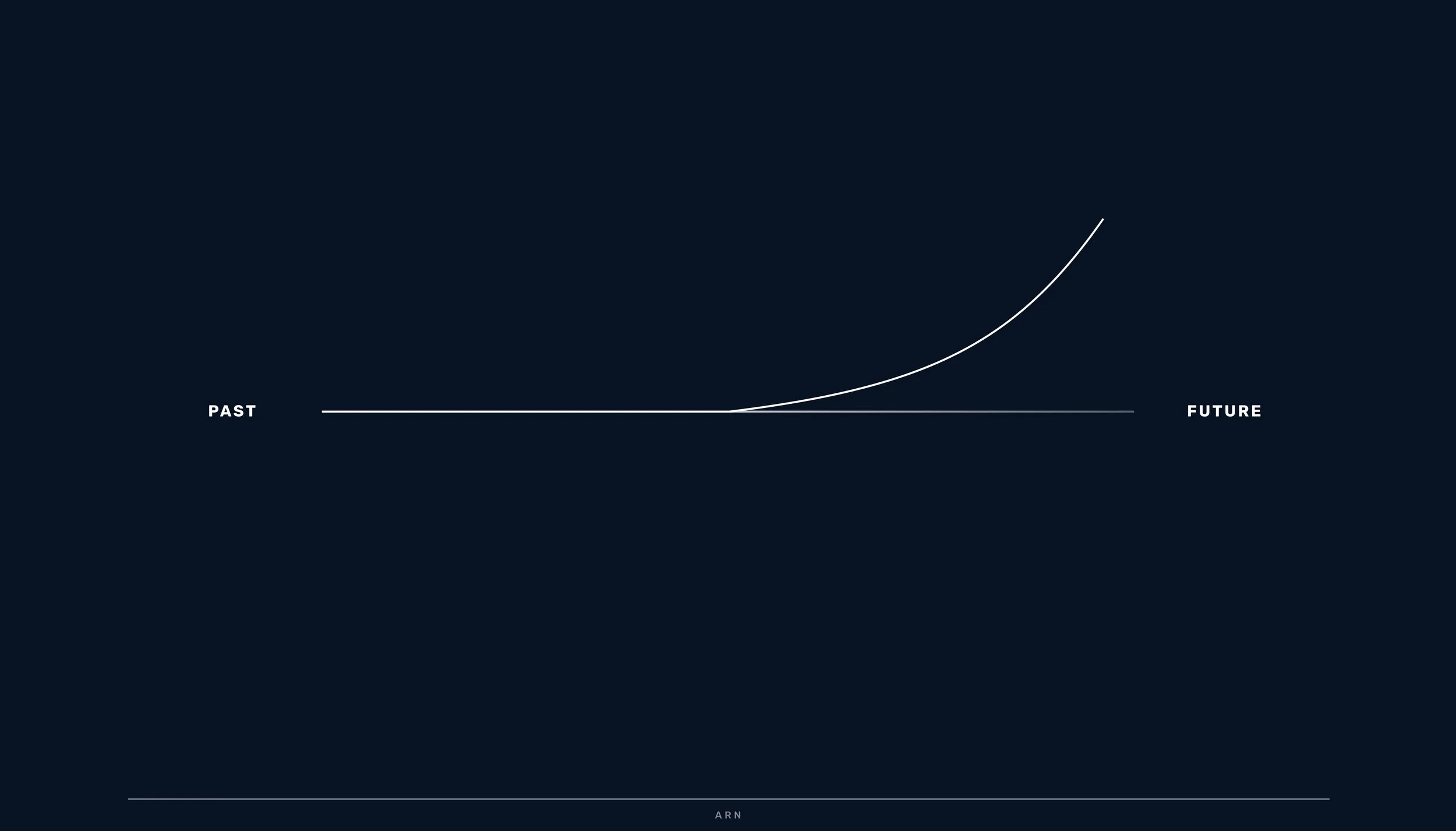
In my work, stewardship shows up less as a single deliverable and more as a posture toward the work itself.
It means returning to decisions after launch and asking:
Does this still reflect what we stand for?
Has growth introduced complexity we didn’t account for?
Are new additions strengthening the system or just adding volume?
What needs to be removed, not expanded?
This applies whether the work is a digital platform, a brand narrative, a campaign system, or an organization’s public presence.
Stewardship is not passive maintenance.
It is active responsibility over time.
Why short-term wins can become long-term costs
Fast growth often rewards visible outputs.
Stewardship protects invisible foundations.
I’ve seen projects succeed by every short-term metric and still become harder to work with each year. Not because the execution was poor, but because no one stayed accountable for how the system aged.
When stewardship is missing, teams end up rebuilding what they already had, again and again, under the guise of improvement.
When stewardship is present, progress compounds quietly.
The work does not need to be reinvented.
It evolves.
Choosing what deserves care
Not everything needs stewardship.
Some things are meant to be temporary.
But the work that represents you publicly, carries responsibility, or supports others over time deserves a different level of attention.
Stewardship is how you decide what must last.
It is how you protect meaning as scale increases.
It is how you avoid mistaking motion for progress.
Growth can be measured in speed.
Stewardship is measured in resilience.
And the longer I work, the more convinced I am that the projects that matter most are the ones someone chose to stay with.