
Beyond the Average: Designing for Real People
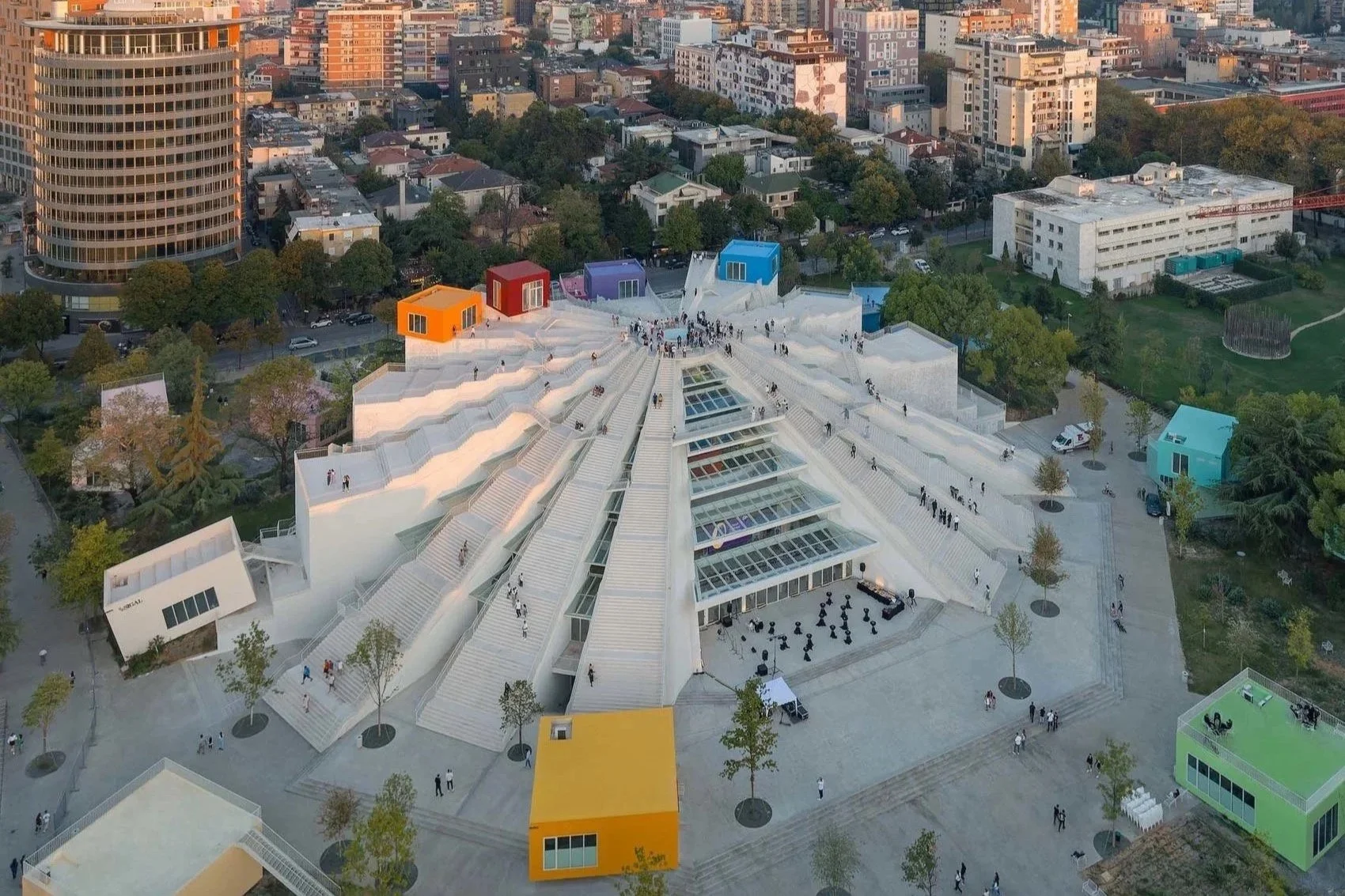
Returning to Tirana this autumn was not simply a speaking engagement. It was a moment of alignment.
The Tirana Digital Nomad Festival brought together people thinking seriously about the future of work, mobility, and digital infrastructure. Founders, creatives, technologists, and public actors shared space and conversation inside a city that is actively reshaping how it presents itself to the world.
But for me, the significance of being there ran deeper than the programme.
Coming back with perspective
I grew up in North-Macedonia and moved to Oslo nearly a decade ago to study Universal Design of ICT. Since then, my work has taken me across borders, supporting disability innovation, organisational change, and digital systems designed to hold complexity.
Returning to the Balkans as a speaker felt different from arriving as a visitor.
Not because of visibility, but because of responsibility.
The invitation came through diaspora networks that exist precisely for this reason: to create pathways for people who have left to return with experience, perspective, and care. That context shaped how I approached the room.
This was not about importing answers. It was about opening conversations that could travel.

Designing beyond the average
My talk focused on universal design, a concept that is often misunderstood as a checklist for accessibility.
It took me time to understand that universal design is not about accommodating exceptions. It is about questioning the idea of an “average” user in the first place.
I shared a story from the 1950s, when the U.S. Air Force discovered that cockpit designs based on the average pilot fit no one particularly well. The solution was not to redesign for a new average, but to introduce adjustability. A system flexible enough to work for many.
That insight remains relevant.
When we design with extreme users in mind, we don’t create niche solutions. We create better systems for everyone.
Universal design as judgment, not compliance
I spoke about accessibility not as obligation, but as judgment.
Clear structure. Thoughtful defaults. Respect for human variability.
Whether it’s captions, headings, navigation, or physical space, these choices compound over time. They shape who feels welcome, who participates, and who is quietly excluded.
Universal design is not a technical add-on. It is a way of thinking about responsibility.
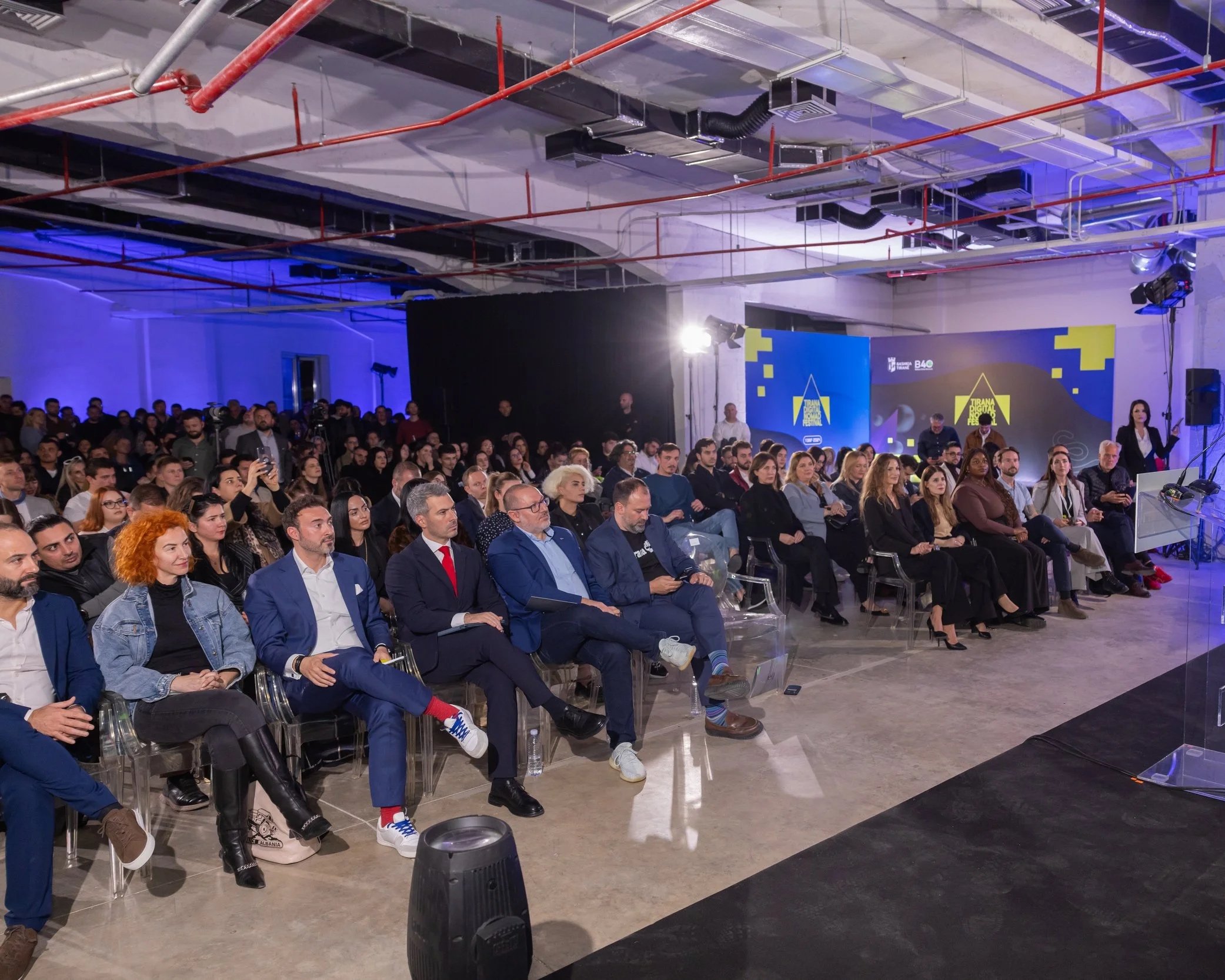
Conversations that matter
What stayed with me most were not the questions from the stage, but the conversations afterward.
Entrepreneurs curious about designing more inclusive products. Public actors thinking about infrastructure. Creatives reflecting on how accessibility changes their process, not just their output.
These moments are where ideas begin to root.
Not when they are applauded, but when they are questioned, adapted, and carried forward by others.
What I took with me
Leaving Tirana, I felt a quiet optimism.
Not because everything is solved, but because the right questions are being asked in more places. Universal design, at its best, is not about perfection. It is about direction.
Designing systems that remain open.
Building structures that don’t collapse under difference.
Making space for more than the average.
That work continues, wherever I find myself next.
Closing note
This reflection draws from my contribution as a speaker at the Tirana Digital Nomad Festival and from ongoing work in universal design, accessibility, and digital systems.